





Rise and fall method

The rise and fall method is a technique used in surveying to determine the difference in elevation between two points. It is commonly used in design and construction to create accurate site plans.
A levelling instrument such as a dumpy level or a theodolite is set up at one point (the benchmark) and a staff is placed at a point whose elevation is to be determined. The instrument is then sighted on the staff and the vertical distance between the instrument and the staff is measured. This is known as the backsight.
The staff is then moved to the next point and the instrument is sighted on the staff again. The vertical distance between the instrument and the staff is measured once more, and this is known as the foresight.
If the foresight is higher than the backsight, it means that the point being surveyed is higher than the benchmark. The difference between the foresight and the backsight is known as the rise. If the foresight is lower than the backsight, it means that the point being surveyed is lower than the benchmark. The difference between the backsight and the foresight is known as the fall.
The process is repeated for multiple points, with the rise and fall measurements being added and subtracted as appropriate.
[edit] Related articles on Designing Buildings
Featured articles
Check out some of the best features and news from Designing Buildings as well as key stories from around the web.

The heritage of nuclear and conventional power stations.
New measures to stop people being ripped off

Government to protect families from cowboy builders and aggressive bailiffs.

New Futurebuild showcase brings an innovation-first approach.
National Planning Policy Framework
Understanding the 2026 changes.
ECA's public affairs priorities

Member consultation opens to shape priorities for 2027 to 2030.

Dutyholder responsibilities from 1 July 2026.
Where performance meets practice

The Building Envelope Stage at UKCW Birmingham.

CIAT publishes briefing on planning reforms.
Leaders in Learning for Practice Network

Call for conservation leaders in learning to register interest in new network.
The importance of early engagement

Construction lessons from the Trillium HealthWorks Experience Centre.
Mayors are to be given planning call in powers

Mayors across England will be able to make the most important planning decisions.
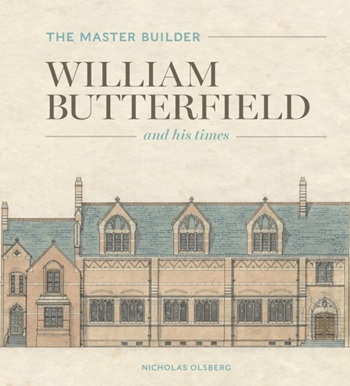
The Master Builder: William Butterfield and his times. Book review.
Comments
[edit] To make a comment about this article, or to suggest changes, click 'Add a comment' above. Separate your comments from any existing comments by inserting a horizontal line.